
Our knowledgeable and caring team of dental professionals provides exceptional general, restorative, specialty and comprehensive dental services to adults and children of all ages. Please learn more about some of the wide range of services we provide.







Frequently Asked Questions About General Dentistry
How often should I get a dental cleaning and exam if my teeth and gums are healthy?
Adults who have healthy teeth and gums should have a professional cleaning and examination every six months, so that the dentist can detect small problems such as early decay or gum inflammation before they turn into more serious issues. In some cases, people with very good oral health and a low risk of developing cavities might be able to wait until once a year, whereas individuals with a history of gum disease may need to visit every three to four months. The dentist will decide on the appropriate frequency according to the patient’s individual risk factors, such as the amount of plaque, their diet, and their previous dental history. Adhering to the recommended schedule is one of the best ways to avoid having to deal with expensive problems later on.
What's the difference between needing a root canal versus a tooth extraction for a badly decayed tooth?
A root canal is carried out in cases where the nerve and pulp of a tooth are infected or damaged, but the outer part of the tooth is still healthy and therefore can be saved by removing the affected tissue and then sealing the tooth so that it can work normally. Extraction is only used in situations where a tooth is too damaged, decayed, or loose to be restored, or when the infection has spread beyond the scope of a root canal. It is generally better to save a natural tooth by means of a root canal since this avoids the necessity of having a replacement, such as a bridge or implant. In order to decide which treatment to use for a particular tooth, an examination and an X-ray are required.
At what age should a child get their first dental sealants?
Dental sealants are generally applied as soon as a child’s first permanent molars come in, which is usually at the age of six, and once more when the second molars come in about age twelve, since these back teeth have deep grooves and are particularly susceptible to cavities. Placing sealants shortly after these teeth come in helps to protect them before decay can begin. With proper care, sealants can last for several years and are examined during regular cleanings to ensure that they remain intact. A dentist can determine the correct time for applying them by taking into account a child’s individual dental development.
Is fluoride treatment safe for young children?
Professional fluoride treatments are safe for young children when carried out by a dentist using the recommended amount, and they have a well-established role in strengthening the enamel and in helping to prevent cavities during the periods when children are most susceptible to tooth decay. The treatment is given on the surface in the form of a gel, foam, or varnish and lasts only a few minutes, after which children are told to avoid eating or drinking for a short time. Since swallowing a large quantity of fluoride may lead to temporary stomach discomfort, the treatment is professionally measured and kept under supervision. Parents who have particular worries regarding their child’s fluoride exposure from a number of sources can talk to their child’s dentist about the total amount of fluoride intake.
What are the early warning signs of gingivitis before it turns into periodontal disease?
In the early stages, gingivitis typically presents itself as gums that are red, swollen, or puffy and which bleed easily when brushing or flossing, even if there is generally little or no pain. It may also be indicated by persistent bad breath and gums that seem to be pulling slightly away from the teeth. Since gingivitis causes so little discomfort, it is usually first noticed because of the bleeding that occurs during ordinary oral hygiene rather than due to pain. The condition can be prevented from progressing to periodontal disease—which results in permanent damage to the gums and bone—by addressing it at this reversible stage through better brushing, flossing, and having a professional cleaning.
Do wisdom teeth always need to be removed, or only if they're causing problems?
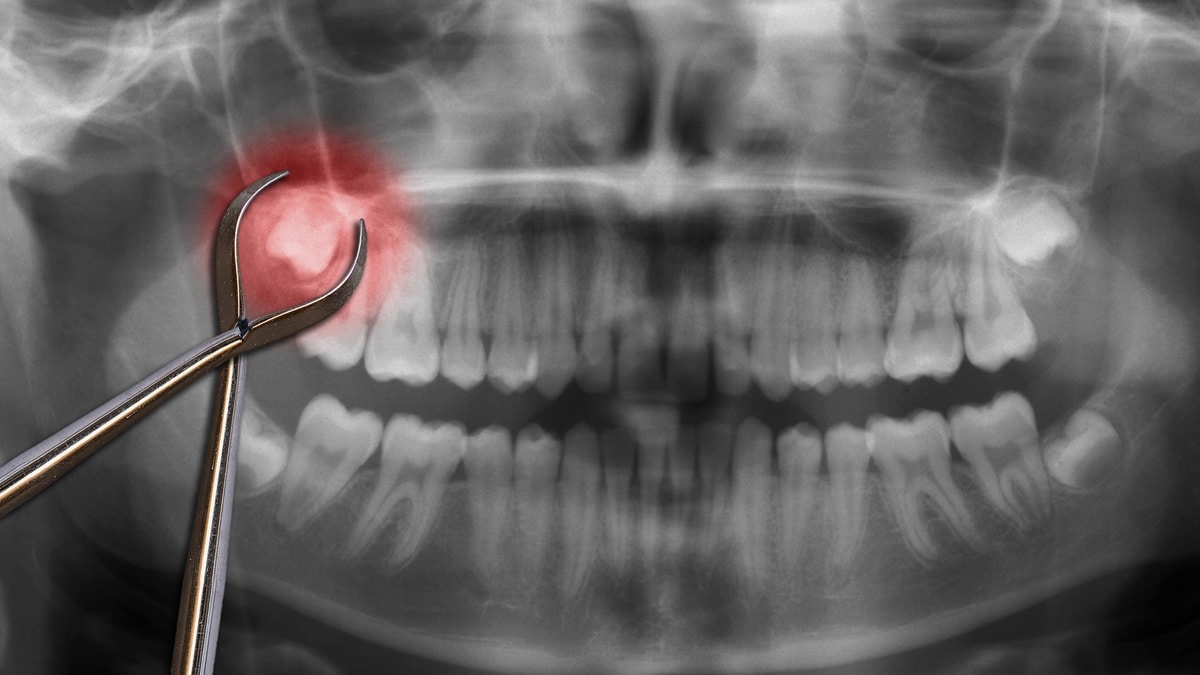
It is not always necessary to have wisdom teeth removed; extraction is usually only advised when they are impacted, leading to pain, causing the other teeth to become crowded, coming in at an angle, or resulting in an infection or decay that is difficult to clean. In some instances, people have sufficient room and their wisdom teeth are properly aligned so that they can work normally and never require removal. Dentists generally keep an eye on wisdom teeth by taking regular X-rays during the teenage and early adult years in order to detect any emerging problems at an early stage. The decision as to whether or not to remove them will depend on the individual’s jaw size, the position of the teeth, and the way they are coming in, and thus is made on a case-by-case basis.
Can I get a same-day appointment for a broken tooth or a bad toothache?
Many dental offices, including practices offering general dentistry, reserve time for same-day or next-day emergency visits for issues like a broken tooth or severe toothache, since these problems can worsen quickly without treatment. Calling as early in the day as possible improves the chances of being seen that same day. While waiting for an appointment, rinsing with warm salt water and taking an over-the-counter pain reliever can help manage discomfort. Anyone with facial swelling, fever, or difficulty swallowing alongside a toothache should seek care immediately rather than waiting, as these can signal a more serious infection.
Where can I find a general or family dentist near Colonialtown in Orlando, FL?
Colonialtown Dental, which is situated at 602 N Thornton Ave in the Colonialtown area of Orlando, gives adults and children general dental care, covering services such as cleanings, fillings, root canals and extractions, and is run by Dr. Dhruv Patel. The clinic has been meeting the dental needs of the downtown Orlando area for over 28 years and provides the facility with online scheduling for both new and existing patients. The office is open from 7 a.m. to 3 p.m. on Mondays through Thursdays and from 7 a.m. to noon on Fridays. Patients may telephone 407-422-3811 or use the online service to arrange a visit.
I'm visiting Orlando and have a dental emergency — can I be seen as a new patient?
Many Orlando-area dental practices, given the volume of visitors to the area’s theme parks and attractions, do accommodate emergency visits from patients who aren’t already established with the office, especially for urgent issues like a broken tooth, lost filling, or severe pain. Calling ahead with details about symptoms and travel dates helps the office fit an urgent visit into the schedule. Bringing ID and any dental insurance information, if applicable, can help speed up the new-patient paperwork during an emergency visit. Confirming directly with the office ahead of time is the most reliable way to know same-day availability.